 Hard shell
Best for structure and rain
Good for fragile items and scuffs less on fabric, but cracks, dents and wheel damage still happen. Glossy shells show scratches quickly.
Travel gear
Hard shell, soft case, duffel, backpack, garment bag, cabin wheelie or checked trunk: the right luggage depends on airline rules, trip length, shopping habits and how rough the journey gets.
Map search
Airport shops can save the day, but they often lean premium and pricey. City stores, department stores, Kmart-style value chains and repair shops are usually better value unless airport duty-free changes the maths.
Shop luggage now
Start with the exact kind of bag you need, then compare price, wheel design, handle strength, dimensions, empty weight, warranty wording and delivery timing before paying.
Buying guide
Hard shellGood for fragile items and scuffs less on fabric, but cracks, dents and wheel damage still happen. Glossy shells show scratches quickly.
 Soft luggage
Fabric cases and duffels flex into cars, boats and small rooms. They can tear, soak up grime and look tired faster.
 Organisation
Packing cubes, compression straps and split compartments make more difference than a few extra litres on paper.
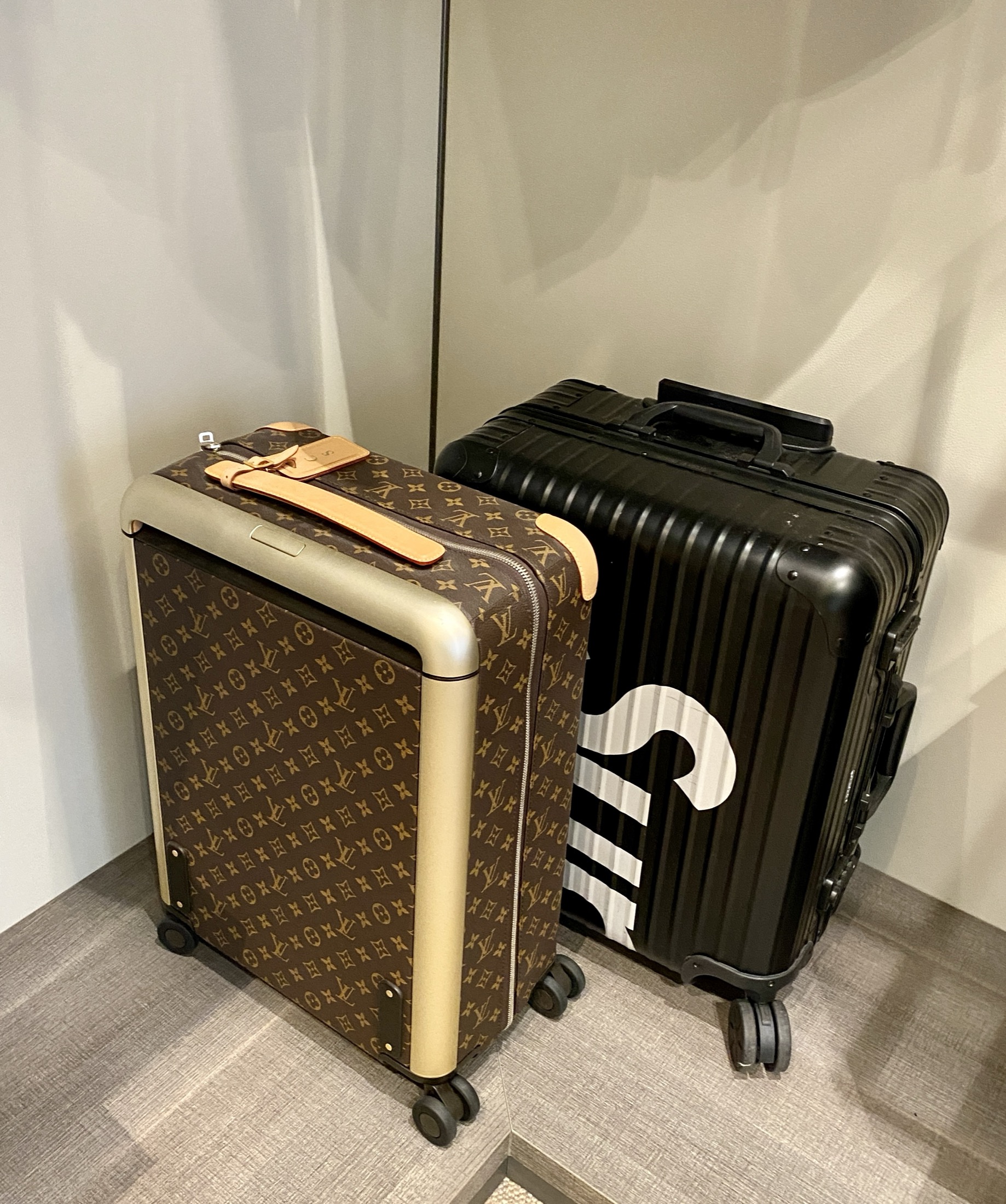 Backpacks and small bags
Backpacks, totes and under-seat bags can be beautiful now, but many are optimistic on capacity. Check laptop fit, bottle pockets, depth and whether it swallows a jacket.
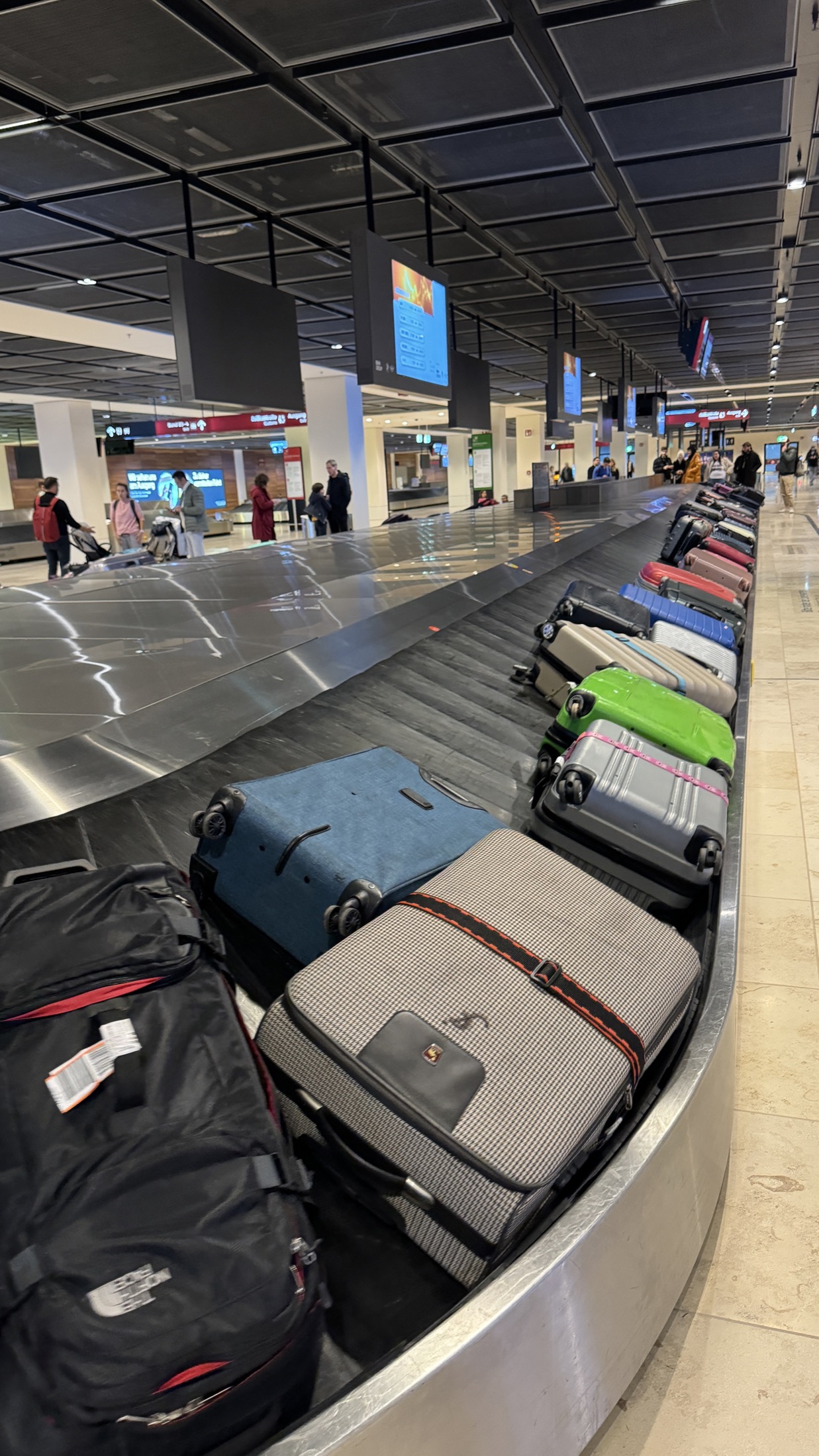 Hiking packs
Proper backpacker and hiking packs need a good harness, hip belt, frame, rain cover and sensible litre size. A 55-70L pack carries very differently from a soft city backpack.
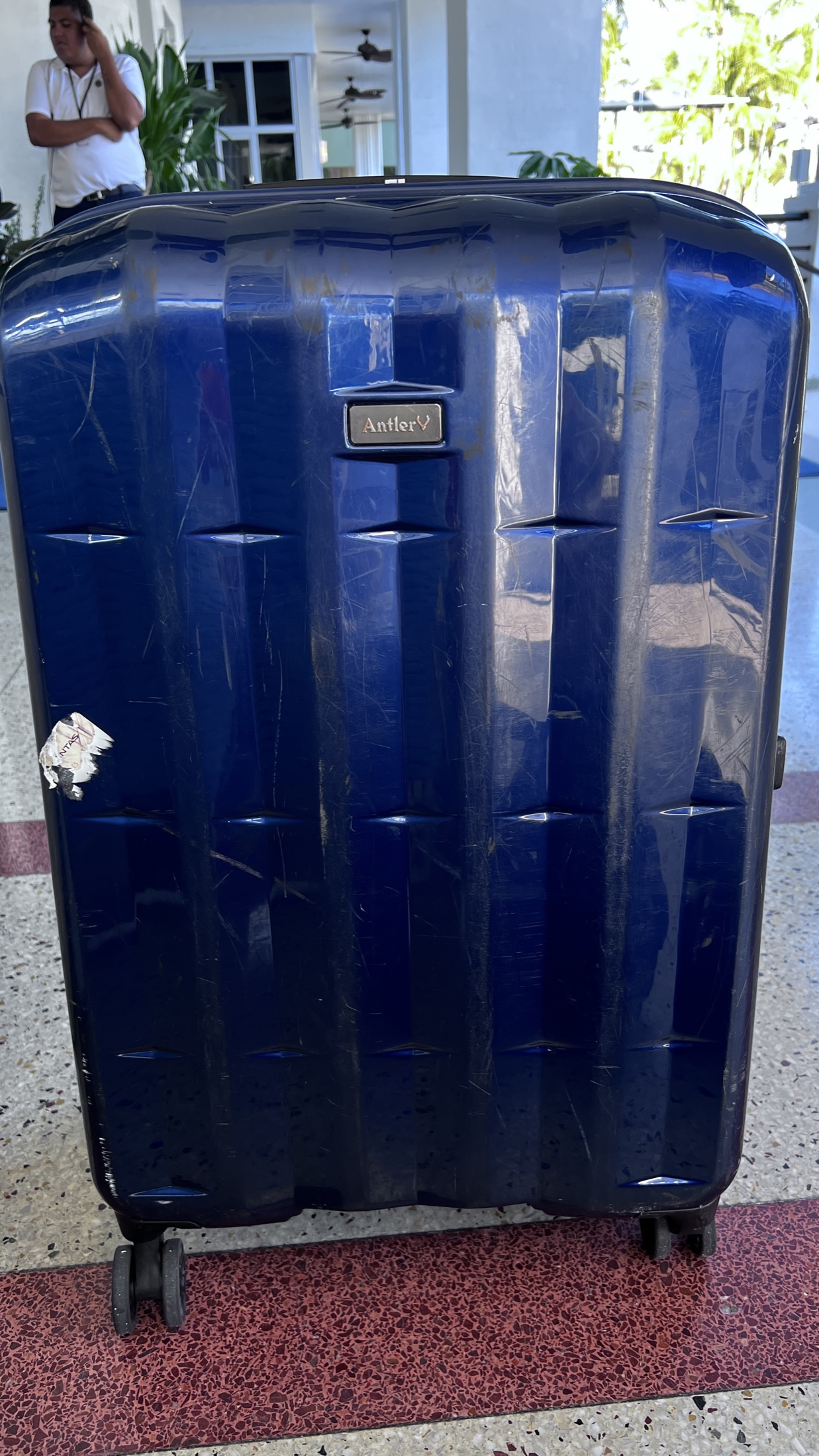 Durability
Long guarantees are useful for manufacturing faults. Airline handling damage is often excluded or handled through the airline claim process.
Buy luggage
These are ordinary outbound links with sponsored/nofollow markup, ready for affiliate IDs later.
Brands
Use this as a shortlist, then check the exact model, wheel design, weight, dimensions, warranty wording and whether returns are easy in your country.
| Brand/type | Why people buy it | Check before paying | Buy links |
|---|---|---|---|
| Rimowa | Iconic aluminium and polycarbonate premium cases. | Aluminium dents are part of the look; compare cabin and check-in sizes carefully. | Official Rimowa · Amazon search |
| Tumi | Business-travel reputation, strong bags and premium finish. | High prices; repairs and parts may depend on country. | Official Tumi · Amazon search |
| Antler | Good value premium feel and clean modern designs. | Read warranty exclusions; airline damage is usually separate from manufacturing faults. | Official Antler · Amazon search |
| Samsonite | Broad global range, airport and department-store availability. | Model-by-model quality varies; compare wheels, handles and empty weight. | Official Samsonite · Amazon search |
| Briggs & Riley | Very strong warranty reputation among frequent flyers. | Usually expensive and sometimes heavier than minimalist cases. | Amazon search |
| Away | Popular direct-to-consumer suitcases and clean colors. | Check current airline cabin dimensions and return rules. | Amazon search |
| Delsey Paris | Good mid-market hard-shell and soft-shell options. | Compare wheel design and expansion depth. | Amazon search |
| Travelpro | Popular with frequent flyers and crew-style buyers. | Soft-sided models vary in layout, width and handle feel. | Amazon search |
| Gucci | Luxury fashion luggage, duffels and travel bags. | Beautiful, expensive and not immune to baggage-belt abuse. | Amazon search |
| Hermes | Ultra-luxury travel bags and leather goods. | More collectable than practical for checking on airlines. | Amazon search |
| Louis Vuitton | Classic luxury trunks, keepalls, rolling luggage and travel pieces. | Check authenticity and return policy if not buying direct. | Amazon search |
| Chanel | Luxury travel bags, vanity cases and statement pieces. | Limited practical luggage range; availability changes often. | Amazon search |
| Lacoste | Sporty travel bags, backpacks and duffels. | Check size and materials; many pieces are bags rather than checked suitcases. | Amazon search |
| Montblanc | Premium briefcases, backpacks and business travel pieces. | Excellent for business carry, less focused on family checked luggage. | Amazon search |
| Prada / Dior / Bottega Veneta | Luxury fashion travel bags and statement pieces. | Verify authenticity, insurance and whether you really want it in checked baggage. | Amazon search |
| Kmart and value chains | Cheap emergency cases when you bought too much or a wheel dies mid-trip. | They often do the job, but zips, wheels and handles may not survive years of airport handling. | Amazon search |
Affiliate-ready: these use normal outbound links with rel="sponsored nofollow noopener" where relevant so affiliate IDs can be swapped in later. No affiliate relationship is implied until those links are connected.
Packing tips
Efficient packing is about shape, access, findability and weight control. Small bags, pouches and cubes often matter more than compression because you can find socks, chargers, medicine or swimwear without jumbling the whole case. Compression bags can help, but they do not reduce airline weight and can make a suitcase dense enough to break handles, zips or allowance limits.
Cubes keep clothes grouped, stop small items spreading through the case and make hotel unpacking faster. Use different sizes or colors for tops, underwear, gym kit and spare layers so the bag stays searchable.
Zipper compression cubes work well for T-shirts, underwear, fleece and casual clothes. Avoid over-compressing structured jackets, shirts or anything that creases badly.
Vacuum or roll-up compression bags save space for coats and bulky fabric, but they can create a hard slab in the case and are annoying if you cannot recompress them on the return trip.
For shirts, trousers and light jackets, a garment folder or sleeve usually beats compression. It preserves shape and makes one-night work trips easier.
Use shoe bags, dry bags or simple washable pouches. Pack shoes heel-to-toe near the wheels, fill them with socks or chargers, and keep laundry from touching clean fabric.
Use small bags for chargers, adapters, first aid, toiletries, swimwear, jewellery and kid items. Clear, mesh or labelled pouches prevent the classic airport-floor rummage.
Keep liquids, medicines, chargers, documents and a spare layer easy to reach. A perfectly packed bag that has to be unpacked at security is not efficient.
Put dense items low in rolling luggage and close to your back in backpacks. This protects zips, makes the case less likely to topple and makes stairs less miserable.
Leave a small empty cube or soft tote for laundry, gifts or unexpected layers. If the outbound bag only closes with force, the return trip will be worse.
Backpacks
A beautiful backpack can be a terrible travel bag if it does not carry weight well. Think about the trip before the brand: daily laptop commute, one-bag city travel, long backpacking route, hiking trail or camera-heavy trip.
Check laptop sleeve size, bottle pockets, strap padding and whether the bag still fits under a seat when full. Many stylish 18-22L bags look clean but lose depth quickly.
For one-bag travel, clamshell opening, lockable zips, compression straps and a structured back panel make airport use easier than a floppy top-loader.
For 45-70L packs, torso length, hip belt fit, frame support and rain protection matter more than the brand badge. Try weight in the pack before a long trip.
Padded cubes, dividers and laptop compartments reduce usable clothing space. Check empty weight and whether the bag becomes too deep for airline cabin limits.
Briefcases
Briefcases, laptop bags, pilot cases and document cases sit between luggage and everyday carry. The best ones protect papers and tech without becoming awkward through security, lounges, taxis and conference rooms.
Look for a rigid base, protected corners, a comfortable handle and enough internal division that papers do not curl around chargers and cables.
Measure the laptop, not just the screen size. A suspended sleeve, soft lining and false bottom help protect corners when the bag is dropped.
Rolling pilot cases suit files, samples and equipment, but they can be chunky under seats. Check wheel quality and empty weight before buying.
Leather ages well but can be heavy and rain-sensitive. For frequent flying, compare it against ballistic nylon or coated canvas with stronger organisation.
Special cases
Musical instruments, bikes and sports gear are not just large suitcases. They often need airline approval, specialist packing, oversize fees and photos before travel so damage claims are easier.
| Item | Best case type | Before booking | At the airport |
|---|---|---|---|
| Guitars | Hard flight case for checked travel; soft gig bags only when cabin carriage is confirmed. | Check cabin-instrument rules and whether buying an extra seat is possible for valuable instruments. | Loosen strings slightly if advised by the maker, photograph the case, and keep fragile markings visible. |
| Violins and small instruments | Rigid shaped case with good internal neck support and bow storage. | Confirm cabin size and boarding priority; small instruments are often easier than guitars but still not automatic. | Carry documentation and avoid gate-checking unless the case is built for hold travel. |
| Keyboards, brass and drums | Moulded hard case or touring case with foam inserts and reinforced corners. | Measure length, depth and packed weight; many pieces fall into oversize or overweight pricing. | Use external straps and labels, then inspect before leaving arrivals. |
| Bikes | Bike box, hard bike case or padded soft case with dropout spacers and wheel protection. | Read the bike policy before buying flights; some airlines require handlebars turned, pedals removed and tyres deflated. | Remove accessories, protect the derailleur, pack tools legally and photograph the packed bike. |
| Golf bags | Padded travel cover with a stiff arm, or a hard case for expensive clubs. | Check whether clubs count as standard baggage or sports equipment, and whether shoes/balls are allowed inside. | Lock zips, protect club heads and keep receipts if renting replacement clubs after delay. |
| Ski bags | Padded ski bag sized to the longest skis, with separate boot bag if the airline allows a pair. | Check combined ski-plus-boot rules; policies vary on whether they count as one item. | Pad bindings and tips, keep edges covered and avoid loose clothing that can shift around. |
| Snowboard bags | Padded snowboard roller or sleeve with binding protection. | Confirm length limits and whether boots/helmet can share the bag without overweight fees. | Protect the board edges and bindings, and photograph any existing scratches before check-in. |
| Surfboards | Board bag with nose, rail and fin protection; hard travel coffin for multi-board trips. | Check maximum length carefully. Surfboards are one of the quickest ways to trigger special handling charges. | Remove fins where possible, pad the nose and tail, and write contact details on the case and inside it. |
High-value luggage
For expensive bikes, cellos, guitars, camera kits, trade samples or medical equipment, the question is not just which tracker to buy. It is whether the item should be checked at all, what the airline will accept, what insurance covers, and how you prove condition and value if something goes wrong.
| Item | Better plan | Before travel | Tracker choice |
|---|---|---|---|
| $10,000 bicycle | Use a serious hard bike case or pro-level padded case; consider shipping with a specialist bike courier for races or one-off events. | Photograph frame, components, serial number and packed case; remove accessories; protect derailleur/dropouts; confirm airline sports-equipment limits in writing. | Use a discreet tracker inside the case, but do not rely on it instead of insurance and airline paperwork. |
| Cello | Ask about buying an extra cabin seat for the instrument. Checking a cello should be a last resort unless it has a true flight case. | Confirm airline musical-instrument policy, seat booking rules and case dimensions before purchasing the ticket. | A tracker may help locate it, but cabin carriage or specialist handling is the real protection. |
| Violin / viola | Cabin carry is usually the goal, with a rigid case and enough time to board calmly. | Check cabin dimensions, boarding group and whether the airline has a musical-instrument exception. | Small Bluetooth tag is usually enough because the case should stay with you. |
| Guitar | Cabin if allowed, extra seat for valuable instruments, or a purpose-built hard flight case if checked. | Do not assume gate staff will make space. Get the airline answer before the travel day. | Use both external ID and a hidden tracker inside the case lining. |
| Camera / film kit | Carry on bodies, lenses, drives and batteries where permitted; check only stands, grips and replaceable hard goods. | Keep serial numbers, carnet/customs paperwork where needed, and backup media separate from the main kit. | Track the case, but keep irreplaceable data and batteries with you. |
| Trade samples / prototypes | Use professional shipping, declared value and customs paperwork if the item is business-critical. | Prepare invoices, temporary import documents, photos and contact details for the receiving venue or hotel. | Cellular GPS may be worth it if coverage exists and battery rules are satisfied. |
Risk rule
Airline liability limits may be far below the real value of an instrument, bicycle or professional kit. Consider specialist insurance, declared-value options, courier services, written airline confirmation and cabin carriage before trusting the baggage belt.
Travel accessories
Toiletry bags, travel wallets, luggage tags and trackers are not glamorous, but they make the main case easier to use. The aim is fast access, fewer leaks, clearer identity and less rummaging when a queue is moving.
Look for wipe-clean lining, a hook, leak-resistant pockets and enough structure that bottles stay upright. Keep liquids inside a secondary clear bag if flights or hotel transfers are likely to be messy.
Razors, nail scissors, toothbrushes and wet products should not share one loose pocket. A hanging wash bag is useful in small bathrooms where counter space is almost zero.
A passport wallet or document pouch can hold passports, boarding passes, visas, insurance, emergency cash and spare cards. Do not make it so bulky that it becomes annoying to keep on your body.
RFID-shielded wallets can block some contactless scanning, but they do not protect against ordinary card theft, phishing, lost phones or weak passwords. Treat RFID as a small extra, not the whole security plan.
Use a strong tag with name, phone or email, and put another contact card inside the case. Avoid putting a full home address on the outside if the bag will be visible to strangers.
AirTag, Tile, Google Find Hub and SmartTag-style devices use Bluetooth plus crowdsourcing from nearby phones. They work best in busy airports, aircraft cabins, hotels and city streets where many compatible phones pass close to the bag. Cellular GPS trackers can report through mobile networks, but cost more, need charging or subscriptions and must still meet airline battery rules.
Security
Most modern suitcases use built-in combination locks, often TSA-style for US screening. TSA-recognised locks are designed so authorised screeners can inspect bags without cutting the lock, but they are deterrents, not vaults: zips can still be forced, locks can fail, and airport security may open bags under local rules.
| Security item | What it helps with | Watch out for | Practical move |
|---|---|---|---|
| Built-in combination lock | Keeps zips closed and discourages casual access. | If you forget the code, most locks cannot be reset unless the lock is already open. | Set a memorable code before travel and save it securely in a password manager or private note. |
| TSA-recognised lock | Allows authorised airport screeners to open and relock bags during inspection where TSA-style systems are used. | It is not a high-security safe, and travellers should not rely on master-key access as a recovery plan. | Use brand reset instructions for your own lock, or ask the luggage maker, airline desk, hotel concierge or repair shop for lawful help. |
| Padlock | Useful on duffels, backpacks, lockers and older cases without built-in locks. | Small cheap padlocks are easy to cut; large ones can snag or break zipper pulls. | Use a TSA-recognised lock where relevant, and carry one spare for hostel lockers or gear bags. |
| Zip ties | Cheap tamper clue and emergency closure if a zip pull fails. | They must be cut off, and security staff may remove them. | Carry a few spares and small nail clippers or safe scissors in checked luggage where permitted. |
| Luggage strap | Adds visibility and backup if a case bursts open. | Loose straps can catch in baggage systems. | Choose a snug strap with a strong buckle and a distinctive color. |
| AirTag / Tile tracker | Helps show whether a delayed bag is at the airport, hotel, aircraft hold or another city. | Airlines still need their own baggage tag and claim process; trackers can be imprecise. | Keep screenshots, file the PIR, and share tracker info politely if it helps staff locate the bag. |
| Visible ID | Helps honest finders and airport staff return a bag. | Too much personal information can create privacy risk. | Use phone/email outside, full itinerary or backup contact inside. |
Forgotten combination
Most suitcase locks reset only when open: move the reset lever or press the reset pin, choose a new three-digit code, then release the lever or pin. If the lock is closed and the code is forgotten, there is usually no legitimate universal reset button. Ignore online bypass tricks unless a brand or repair professional is guiding you on your own bag. Check the brand instructions, try likely codes patiently, or ask the manufacturer, hotel concierge, luggage shop or repair shop for help. Avoid forcing the lock if the case or contents matter.
Set the lock while it is open, scramble it, reopen it, then save the code somewhere private before packing.
Passports, visas, medicines, keys and essential chargers belong in carry-on access, not behind a forgotten suitcase code.
Travel problems
Plastic wrap is usually sold at airports. It can deter casual tampering and grime, but it is awkward if security opens the bag and it creates waste. A decent lock and a less interesting bag often make more sense.
Photograph the bag, tag and belt area, then file the airline damage report at the airport if possible. Keep receipts and claim references.
Keep a photo of the bag and tag, use a tracker where legal, file the PIR, save essential-purchase receipts and keep following the airline claim channel.
Many broken wheels, handles and zips are repairable, but independent luggage repair shops are rarer now. City cobblers sometimes handle simple fixes.
Some cities, famously Hong Kong, have offered in-town airline check-in or bag drop links. When available, it can save dragging luggage across the city on departure day.
Briefcases, laptop bags and document cases are worth treating separately from luggage: look for structure, easy security screening and a handle that does not punish your hand.
Guitars, violins and other instruments need hard cases, cabin-size planning or a separate seat on some trips. Do not assume gate staff will treat a soft case gently.
Skis, snowboards, bikes, surfboards and golf club bags can trigger special fees, packing rules and length limits. Check the airline sport-equipment page before choosing a flight.
Airline contacts
Report delayed or damaged baggage before leaving the airport whenever possible. Use the airline that operated the final flight into the airport where the bag should have arrived, even if another airline sold the ticket. Split tickets and self-connects are higher risk: if your bag does not arrive at the transit airport, the second airline may not protect the onward flight, and you may need to report, wait, recheck or abandon the connection. Phone numbers vary by country, so treat these as a starter list and verify on the official airline page for your location.
| Airline | Official baggage contact route | Phone number noted on official pages | What to have ready |
|---|---|---|---|
| American Airlines | Bag help page, delayed/damaged baggage form and bag portal. | Contact form; outside the U.S., call American reservations. | Confirmation code, bag tag number, file ID and receipts. |
| Delta Air Lines | Report at Delta Baggage Service Office, then use claims/status tools. | U.S. baggage: 800-325-8224. | File reference number, ticket receipt, bag tag and expense receipts. |
| United Airlines | Customer care and baggage recovery support for existing baggage claims. | Baggage Recovery Center: 1-800-335-2247 in U.S./Canada; 1-281-821-3526. | Baggage claim number, flight details, delivery address and interim-expense vouchers. |
| Southwest Airlines | After-trip contact page and baggage support. | U.S. baggage: 1-888-202-1024. | Confirmation number, bag tag, airport and travel date. |
| JetBlue | Online bag claim form and Central Baggage Services. | Central Baggage Services: 1-866-538-5438. | Claim number, photos, delivery address and receipts. |
| British Airways | Report and track delayed baggage online; baggage claim forms by region. | U.S. baggage contact details are listed on BA's help page; verify for your country. | Ten-digit BA file reference, booking reference, bag tags and receipts. |
| Qantas | Delayed baggage portal, Qantas App and airport baggage services counter. | Australia baggage services: 1300 306 980; overseas numbers vary by airport. | Ten-character delayed bag report reference, bag receipt and temporary address. |
| Singapore Airlines | Delayed baggage online report, baggage portal and Lost & Found office. | Singapore Lost & Found / delayed baggage: 1800-2244243 or +65 65974501. | Booking reference, bag tag receipts and 10-character file reference. |
| Emirates | Help page, baggage enquiries, baggage portal and delayed baggage certificate request. | Dubai contact centre: +971600555555; worldwide contacts vary. | Booking reference, baggage tag, PIR/file reference and delivery details. |
| Qatar Airways | Mishandled baggage page, report/status tool and arrival-airport baggage counter. | Use Qatar's baggage tracker/help page or local office for country-specific support. | File reference from the baggage services counter and bag tag number. |
| Air Canada | Report at airport; check delayed baggage status online or by phone. | Delayed baggage status: 1-888-689-2247. | Incident report, bag tag, boarding pass and receipts for interim expenses. |
| Lufthansa | Report delayed baggage online or at airport baggage tracing; track with PIR number. | Use the contact number printed on the delayed baggage report if self-service is not enough. | PIR number, last name, delivery address and list of contents after five days. |
| KLM | Report delayed baggage online or at airport; track with PIR reference. | U.S. baggage progress contact: 877-477-5134. | PIR reference, booking code, bag tag and temporary address. |
Split tickets
On separate tickets, the first airline may only be responsible for getting you and your bag to the transit airport. If the bag is delayed there, the next airline may treat you as a no-show or charge for changes because it did not receive the bag or issue the first ticket.
Allow enough time to clear immigration, collect bags, report a missing bag, change terminals, recheck and clear security again. Tight self-connects with checked bags are fragile.
File the delayed baggage report with the airline that operated the flight that failed to deliver the bag. Ask the onward airline what happens to your second ticket before leaving the airport.
Tracking sites
Most airlines use their own branded portal or a WorldTracer-style baggage tracing page. You normally need the PIR/file reference, your last name and sometimes the bag tag number. Personal trackers are only supporting evidence: Bluetooth crowd-network tags are simple and battery-light, and crowdsourcing can work surprisingly well in busy places. Cellular GPS trackers are more independent but depend on mobile coverage, subscriptions and battery rules.
The airline portal is the official source for delivery address, claim status and expense uploads. Update your temporary address if you move hotels or cities.
Many airlines trace delayed bags through WorldTracer or a branded version of it. Use the reference exactly as printed, such as LHRBA12345 or FRALH12345.
Some airlines now accept a shared Find My item-location link inside their delayed baggage portal. Share the link through the airline form rather than chasing airport staff in person.
Apple Find My, Google Find Hub, Samsung SmartThings Find and Tile-style networks depend on nearby compatible phones detecting the tag and reporting an anonymous location. Larger networks tend to work better in airports and cities.
Products such as Tracki or Invoxia-style GPS trackers can use GPS/Wi-Fi positioning and cellular or IoT networks to send locations to an app. Check country coverage, subscription cost, battery watt-hours and airline rules before putting one in checked baggage.
If you left a laptop, wallet, passport or jacket at security, in a lounge or onboard, use the airport or airline lost-property form. That is separate from delayed checked baggage.
If a tracker says the bag is at the airport, it may still be inside customs, sorting or a secure baggage area. Wait for the airline or handler to release it for pickup or delivery.
Buy trackers
Bluetooth crowd-network tags are cheap, tiny and excellent in busy places. Cellular GPS trackers are more independent for very important luggage, but check coverage, subscription cost, charging, battery watt-hours and airline rules before checking the bag.
For extremely important luggage, a tracker is only one layer. Use travel insurance, written inventory photos, receipts, direct flights where possible and cabin carriage for irreplaceable documents, medicines, jewellery, electronics, instruments or samples.
Tip: a tracker location can help staff, but the airline still needs the official delayed baggage report reference. Save screenshots, receipts and every email or SMS update.
Smart and ride-on bags
Motorised ride-on luggage is not just a suitcase with USB charging. A 35,000 mAh battery is often around 126Wh if rated at 3.6V, which puts it in the 100-160Wh approval zone; above 160Wh is generally not accepted on passenger aircraft. The mAh number alone is not enough: convert it with Wh = Ah x V and check the label.
| Airline / rule source | What it means for ride-on or smart luggage | Traveler action |
|---|---|---|
| Baseline rule | Under 100Wh is the easiest zone. 101-160Wh normally needs airline approval. Over 160Wh is generally a no for passenger baggage. Removable batteries are the decisive feature. | Photograph the battery label, bring the removal tool, and get written approval above 100Wh. |
| More likely to accept smart / motor luggage if disabled | Qatar Airways, Thai Airways, Etihad, American, Delta, Qantas and Cathay publish rules that accept removable-battery smart baggage in some form. Qatar and Thai explicitly mention rideable or motor-equipped smart baggage, but still apply battery, size, removal and approval conditions. | Treat these as ask-first airlines, not a guaranteed yes. Do not ride or charge the bag onboard. |
| Explicit ride-on problem airlines | British Airways, Singapore Airlines, Emirates, Air Canada and Lufthansa publish clear bans on electric ride-on baggage, Airwheel-style devices, motorised/riding luggage or electric scooter baggage. Thai, Qatar and Delta also separate smart bags from personal transportation devices. | Do not take an Airwheel-style ride-on case unless the airline confirms the exact model in writing. |
| Wheelchairs and mobility aids | Wheelchairs, mobility scooters and bespoke powered mobility aids are handled under accessibility rules, not smart luggage rules. Many airlines permit much larger lithium batteries, often up to 300Wh for removable batteries, but only with advance handling and paperwork. | Contact the airline accessibility team before booking if the device is unusual, custom-built or very expensive. |
| Next wave | Follow-me bags and personal assistance robots will probably be judged by the same battery, motor and mobility-aid split. | Assume airport staff will ask: is it a bag, a vehicle or a medical mobility aid? |
Battery sources